Bathroom design for older people: 8 tips for a safer, more comfortable space
- Author: Phạm Tuấn lúc
- News
For older people, even small details like a slippery floor, a raised doorway threshold, or a shower that's difficult to adjust can make everyday bathing more challenging than it needs to be.
As we grow older, our balance, eyesight, and mobility may gradually decline. That's why a bathroom designed for older people should reflect their physical needs and daily routines, rather than focusing on appearance alone.
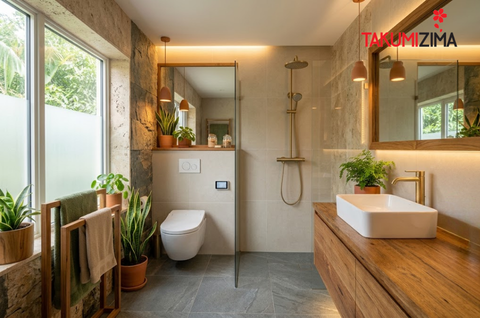
Here are eight practical things to consider when designing or renovating a bathroom to make it safer, more comfortable, and easier for older family members to use.
1. Choose slip-resistant bathroom flooring
The floor is one of the first things to think about when designing a bathroom for older people. With constant exposure to water, soap, and moisture, bathroom floors can become slippery, especially when someone is walking barefoot.
Instead of choosing tiles based only on their color or design, look for flooring with slip resistance suitable for wet areas. The surface should provide enough grip to make walking more secure while still being easy to clean.
Good drainage matters just as much as the flooring itself. If water regularly pools on the floor after a shower, there's still a risk of slipping, even with slip-resistant tiles.
That's why it's important to plan the floor slope, drain placement, and overall drainage performance during construction. For an existing bathroom, start by checking where water tends to collect and consider how those areas can be improved.
Takumizima offers a range of floor drains in different styles and sizes. When choosing one, pay attention to where it will be installed, the size of the drainpipe, and how easily it can be removed for regular cleaning.

2. Minimize steps, thresholds, and obstacles
A small doorway threshold might not seem like much of an obstacle to a younger person. For someone older, however, it can make entering or leaving the bathroom more difficult, especially if lifting their feet or maintaining balance has become a challenge.
If you're building a new bathroom, consider keeping floor levels as even as possible, avoiding unnecessary raised edges, and leaving enough open space for comfortable movement.
If you're planning to separate the shower area with a glass partition, think carefully about the door's opening direction and the space available for entering and exiting. A narrow entrance can make it difficult for an older person to turn around or receive assistance when needed.
In an existing bathroom, small changes can make a real difference. Removing items from the floor, reorganizing bathroom essentials, and addressing potential tripping hazards can all make the space easier to navigate.
However, lowering the floor or removing a raised water barrier requires careful consideration of the waterproofing and drainage systems. Before making these changes, it's best to have a qualified professional assess the bathroom to avoid creating new problems.
3. Install grab bars in the right places
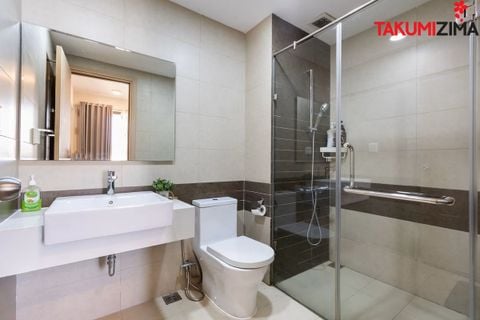
Grab bars are a valuable addition to consider when designing a bathroom for older people. They provide extra support when sitting down, standing up, or moving around areas that may be wet.
Some useful places to install grab bars include:
- Beside the toilet: To provide support when sitting down or getting back up.
- Inside the shower area: To offer something secure to hold onto while bathing.
- Near the shower entrance: Especially where there's a change in floor level.

The right height and position will depend on the person's physical condition, reach, and mobility. There's no single measurement that works equally well for everyone.
Just as importantly, grab bars must be securely attached to a structure strong enough to support the intended load. Ordinary towel bars and decorative bathroom accessories are not designed to provide the same level of support.
If someone in your family has difficulty walking or regularly needs help moving around, consider speaking with a rehabilitation specialist to determine the most suitable locations for grab bars.
4. Make the shower area comfortable and easy to use
Standing for a long time while showering can be tiring for older people, especially when their strength or mobility isn't what it used to be.
If there's enough space, consider making the shower area large enough for a dedicated shower chair. Choose one with a stable frame, non-slip feet, and dimensions that suit the person using it.
The shower system itself can also make everyday bathing easier. A handheld showerhead, for example, allows someone to direct the water where they need it without constantly changing position.
Takumizima's FC-13006 shower system offers two showering options: an overhead showerhead and a handheld showerhead. According to the product information, the handheld option can be used for everyday bathing, cleaning the bathroom, or helping older people and young children during bath time.

The shower controls should also be within comfortable reach. No one should have to bend too far down or stretch too high just to turn on the water.
If you're renovating an existing bathroom, plan the locations of the water supply connections, shower fixtures, and any seated showering area before work begins. Thinking through these details early can help avoid repeated adjustments later.
5. Choose a shower system with reliable temperature control
Slippery floors aren't the only concern in a bathroom. Sudden changes in water temperature can also be uncomfortable and potentially dangerous for older people.
With conventional hot-and-cold water systems, the water temperature may fluctuate when pressure or flow rates change. If the water suddenly becomes too hot, it can cause discomfort and increase the risk of scalding.
That's why it's worth paying close attention to how a shower system adjusts and controls water temperature.
Some shower systems come with a thermostatic mixer that regulates the balance between hot and cold water. Under suitable operating conditions, this helps keep the outlet temperature close to the selected setting.
Before buying a new shower system, consider a few practical questions:
- Are the temperature controls easy to identify and use?
- Does the system have a feature that helps maintain a consistent water temperature?
- Is there a safety mechanism to help prevent accidental adjustments to excessively high temperatures?
- Can the handheld showerhead be used comfortably while standing or sitting?
- Is the system compatible with your home's water pressure and hot-and-cold water supply?
It's also important to understand the difference between a standard hot-and-cold shower mixer and a thermostatic shower system. Although their controls may look similar, they don't regulate water temperature in the same way.
You can explore Takumizima's shower collections and compare the technical specifications of individual models before deciding which one best suits your bathroom.

Whatever type of shower you choose, always check the water temperature before bathing, particularly if the person using it has reduced sensitivity to heat.
6. Choose a toilet that suits the user's needs
The toilet is one of the most frequently used fixtures in any bathroom. For older people, something as simple as the height of the toilet seat can make a noticeable difference when sitting down or standing up.
A seat that's too low may require extra effort to get up from. On the other hand, a seat that's too high can make it difficult to keep both feet firmly on the floor.
Before choosing a toilet, take a closer look at the seat height and consider whether it feels comfortable for the person who will use it every day. If possible, visiting a showroom to try different models can help you make a more informed choice.
Remember to consider the space around the toilet as well. Leaving enough room beside it can make it easier to install grab bars or provide assistance when needed.
For families looking to add a little more convenience, a smart toilet may also be worth considering.
Some smart toilets come with features such as automatic cleansing, warm-air drying, and push-button controls, helping reduce the need for manual cleaning after using the toilet.
For example, Takumizima's TKM-133 smart toilet offers front and rear cleansing functions, warm-air drying, a heated seat, and adjustable temperature settings. These features can be controlled using either the side-mounted control panel or a remote control.

That said, a smart toilet isn't necessary for everyone. Before investing in one, think about how comfortable the user is with electronic controls, whether the functions are easy for them to operate, and which features they would actually use.
Ultimately, the most important thing is choosing a toilet with a suitable seat height that allows the user to sit comfortably and stand up with as little difficulty as possible.
7. Keep the sink and everyday essentials within easy reach
How you arrange bathroom fixtures and everyday items can have a big impact on how comfortable the space feels to use.
A sink that's too high, a mirror positioned at the wrong height, or shelves that are difficult to reach may force older people to bend or stretch more often than necessary.
When installing a bathroom sink, think about the user's height, physical abilities, and how easily they can approach the sink and operate the faucet.

For someone with reduced hand strength, a faucet with an easy-to-use lever or simple controls may be more comfortable than one that requires a firm grip or considerable force to turn on and off.
Frequently used items such as face towels, toothbrushes, soap, and personal care products should also be kept within easy reach. Try not to store everyday essentials in cabinets or on shelves that are too high or too low.
If someone in the household uses a wheelchair or mobility aid, you'll also need to consider the space beneath the sink, the approach to it, and whether it can be used comfortably from their position.
A thoughtful layout can help reduce unnecessary bending, reaching, and movement, making everyday routines a little easier.
8. Pay attention to lighting, ventilation, and electrical safety
Lighting is easy to overlook when designing a bathroom, but being able to see clearly makes a real difference when moving around and using bathroom fixtures.
For older people, it's especially important to have enough light around the entrance, sink, toilet, and shower area.
Try to distribute lighting evenly throughout the room, avoiding dark corners and harsh glare. If family members often use the bathroom at night, motion-sensor lights or soft night lighting can make it easier to find their way around.
Good ventilation is another important consideration. Proper airflow helps reduce moisture buildup and prevents surfaces from staying damp for long periods.
If the bathroom has a smart toilet, water heater, or other electrical appliances, electrical safety deserves particular attention.
Electrical outlets, wiring, protective devices, and their installation locations must meet the appropriate technical requirements for use in wet environments.
It's best to have qualified professionals inspect and install electrical and plumbing systems. Avoid making changes yourself unless you have the necessary technical knowledge.
What to consider when renovating a bathroom for older people
Not every family has the budget or opportunity to completely rebuild a bathroom. Fortunately, many everyday inconveniences can be improved with a few well-planned changes.
Before starting a renovation, take some time to understand the difficulties the older person is actually experiencing.
Ask yourself:
- Do they often struggle to sit down on or stand up from the toilet?
- Does the bathroom floor become slippery or collect standing water?
- Is it difficult for them to adjust the shower temperature?
- Are there steps, raised thresholds, or obstacles that make moving around harder?
- Can they comfortably reach the fixtures and everyday items they use?
The answers can help you decide which improvements should come first.
If your budget is limited, focus on the features that have the greatest impact on safety. These might include slip-resistant flooring, grab bars, better lighting, or replacing fixtures that are currently difficult to use.
Cosmetic updates and additional comfort features can come later, depending on your family's needs and budget.
If the person using the bathroom has significant mobility difficulties, it may also be helpful to consult a rehabilitation specialist or an accessibility design professional before deciding on major changes.
Find the right bathroom fixtures with Takumizima
Creating a bathroom that's comfortable and safe for older people doesn't necessarily mean choosing expensive fixtures or complicated technology.
What matters most is finding products that suit the person's physical abilities, everyday habits, and actual needs.
Takumizima offers a variety of bathroom fixtures, including shower systems, toilets, sinks, and floor drains, giving families different options to explore when building a new bathroom or renovating an existing one.
Before making a purchase, take time to check each product's dimensions, features, installation requirements, and suitability for everyday use.
You can browse the available products at Takumizima.com or contact a distributor for advice on technical specifications and choosing fixtures that suit your family's bathroom.

Conclusion
A well-designed bathroom for older people starts with understanding their everyday needs.
A floor that's less slippery, a grab bar in the right place, a shower that's easy to adjust, or a toilet at a comfortable height may seem like small details. Together, however, they can make daily routines much easier.
You don't have to renovate the entire bathroom all at once. Start by identifying what's currently causing difficulty, prioritize improvements that affect safety, and make changes gradually as your family's needs and circumstances allow.
With the right layout and carefully chosen fixtures, a bathroom can become a more comfortable, easier-to-use space where older people feel confident carrying out their daily routines and maintaining their independence at home.
- Showroom Address: BTT10-01 Galaxy 4 - Van Phuc Galaxy Residential Area - 69 To Huu - Ha Dong - Ha Noi - Hotline: 0981867679
- Contact: 086.655.4899 - 081.494.6789
- Email: takumizimavn@gmail.com
- Website: https://takumizima.com/
- Fanpage: https://www.facebook.com/takumizimavietnam.vn