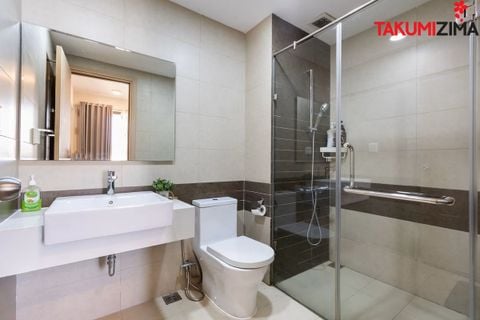
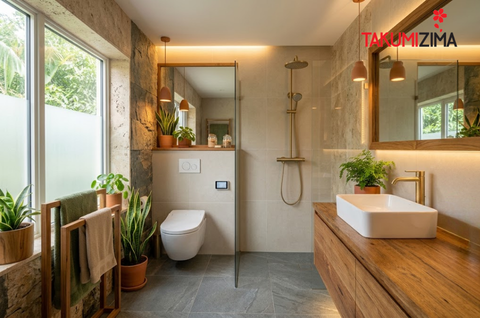
The bags are packed, the travel documents are ready, and the whole family is getting ready to leave for a week-long vacation. But back in the bathroom, the towel used this morning is still damp, the trash hasn't been emptied, and the sink faucet seems to be dripping even though it's turned off.
These are the little things that are easy to overlook when preparing for a trip. Taking a few extra minutes to check the bathroom can help you take care of simple tasks before leaving and make it easier to deal with anything unusual when you return.
So, what should you do before heading out, and when does your home's water system need a little extra attention?
1. Don't overlook dripping faucets before leaving home
A sink faucet that keeps dripping long after it's been turned off is worth checking before your family goes away. Just don't confuse a persistent drip with the few drops of water that may remain in the spout immediately after turning it off.
Take another look at the fixtures you use regularly: the sink faucet, shower, handheld bidet sprayer, and toilet.
After turning off each fixture, check for any continuing drips or leaks. With the toilet, watch for water that keeps running into the bowl or a tank that continues making refilling noises long after flushing.
Don't forget to check beneath the sink, either. Water around a pipe connection or an unusually damp patch on the floor could be a sign that something needs further investigation, especially if no one has recently used the sink.
If you notice a leak that won't stop, have a qualified professional check and fix it before you leave. Don't simply place a towel or bucket underneath and leave it there for the entire trip.
A visual inspection won't reveal every problem hidden inside your plumbing, but it's still a simple and useful check your family can do before heading out.
2. Take care of damp towels, trash, and standing water before locking up
On the morning of a trip, everyone still needs to brush their teeth, wash their face, or take a shower as usual. So even if you cleaned the bathroom the day before, there may still be a few things to take care of before leaving.
Move recently used towels somewhere with good airflow so they can dry properly, rather than leaving them rolled up in a laundry basket or in an enclosed bathroom. Do the same with damp clothing.
If the trash bin contains used tissues or other household waste, empty it before you go.
In the shower area, use a squeegee to remove excess water from glass panels and any spots where water has collected on the floor. If you notice hair or debris caught in the floor drain strainer, remove it using a cleaning method suitable for the product.

These little tasks don't take much time, and they're worth doing even if you're only away for a few days. There's no need for a last-minute deep clean if the bathroom is already clean and dry.
3. If you're away longer, what should you do about the water supply and water heater?
For a weekend getaway, checking for leaks and tidying up the bathroom are usually the simplest things to do.
But if your home will be empty for a week or several weeks, it's worth reviewing how your water supply and water heater should be managed while you're away.
Some households consider turning off the domestic water supply valve to help limit the amount of water that could continue flowing if a leak develops while no one is home.
Before making that decision, make sure you've identified the correct valve and understand which fixtures or appliances it supplies.
If you live in an apartment building or aren't familiar with the plumbing system, ask the building management or the installer for guidance. Never shut off valves connected to fire protection systems or shared building water services on your own.
As for the water heater, check which type you have and follow the manufacturer's instructions.
Some models have a vacation or away mode, while others don't offer this feature or require different procedures.
If you can't find the instructions, ask a qualified technician rather than relying on general advice to switch off, adjust, or drain the water heater yourself.
The important thing is knowing how your particular equipment should be prepared. Going away doesn't automatically mean you need to turn off or shut down everything.
4. What should you do about floor drains that won't be used for a while?
A second bathroom may see very little use even when everyone is home. If your family is planning to be away for several weeks, the drains in these less frequently used spaces are worth checking.
Some floor drains use a water-seal trap, which holds a small amount of water to prevent sewer gases from entering the bathroom.
When no fresh water flows through the drain for a long time, the water in the trap can gradually evaporate.
If you know your bathroom uses this type of trap and the drain hasn't had water flowing through it for some time, you may be able to add clean water before leaving, following the system's design and instructions.
However, this doesn't guarantee that the trap will retain enough water if the home remains empty for a very long period.
Floor drains with mechanical odor seals work differently.
Instead of relying on a water barrier, they use a flap or valve that opens and closes to help prevent odors from rising through the drain.
These components should be checked and cleaned according to their specific design, rather than following instructions intended for water-seal traps.
If you're unfamiliar with the differences between these two systems, you can learn more about choosing suitable odor-blocking drain inserts for different bathroom spaces.
There's also no need to assume that leaving home for just a few days will automatically cause your floor drains to smell.
Whether odors develop, and how long that takes, depends on the drain's design, the condition of the drainage system, and the surrounding conditions.
A quick reminder before locking the door: Check for leaks, clear away damp items and trash, review the operating instructions for your bathroom equipment, and pay attention to drains that haven't been used for a while. There's no need to attempt any technical procedure you don't fully understand.
5. What should you check in the bathroom when you return?
After a trip, all you probably want to do is take a shower and get some rest.
But before getting back into your usual bathroom routine, especially if your home has been empty for several weeks, it's worth spending a few minutes looking around.
Start with the sink, toilet, and floor.
Is there any water leaking from pipe connections? Are there unusually damp patches on the floor? Do you notice any strange smells coming from the drains?
If you turned off the domestic water supply before leaving, turn it back on according to the proper instructions and watch for any signs of leaks.
Next, pay attention to faucets and showers that haven't been used for some time.
According to household guidance from the U.S. Centers for Disease Control and Prevention (CDC), faucets and showers that haven't been used for about a week or longer should be flushed with fresh water before use.

The recommended steps are:
- Run the cold water for about two minutes, then turn it off.
- If the hot-water supply is operating safely, run the hot water until it starts to get hot, then turn it off.
- For faucets that mix hot and cold water, flush each setting separately.
Only do this once the water supply is available and the fixtures are working normally.
When flushing a shower, avoid standing beneath the showerhead and try to minimize splashing or water mist. Be careful of the risk of scalding from hot water, too.
This is a precaution for water that has been sitting in the pipes for an extended period. It doesn't mean the water will necessarily become contaminated after a week.
Flushing the water also isn't a substitute for a professional inspection if there are concerns about the water supply.
Finally, don't ignore anything that seems unusual.
If you notice an odor coming from a floor drain, check which type of odor-blocking mechanism it uses.
For a water-seal trap that has dried out, adding clean water as appropriate for the system may help restore the water barrier that keeps odors from coming up through the drain.
If the smell persists, it's worth investigating other possible causes.
If the water has changed color unusually, the water pressure is noticeably different, a hot-water appliance is showing an error, or you've discovered a leak, contact building management or a qualified professional before continuing to use the affected system.
Being away for a few days doesn't mean you have to go through every one of these checks.
But if your bathroom hasn't been used for a long time, knowing what to look for and how to flush the water system properly can help you be better prepared when you return.
Conclusion
Before heading off on a trip, take a few extra minutes to check for dripping faucets, put away damp towels, empty the trash, and pay attention to the fixtures and appliances you use regularly.
If your home will be empty for longer, review the operating instructions for your water system and any odor-blocking drain components.
And when you return, a quick look around the bathroom before using it can help you spot anything unusual and take the appropriate next steps.
- Showroom Address: BTT10-01 Galaxy 4 - Van Phuc Galaxy Residential Area - 69 To Huu - Ha Dong - Ha Noi - Hotline: 0981867679
- Contact: 086.655.4899 - 081.494.6789
- Email: takumizimavn@gmail.com
- Website: https://takumizima.com/
- Fanpage: https://www.facebook.com/takumizimavietnam.vn