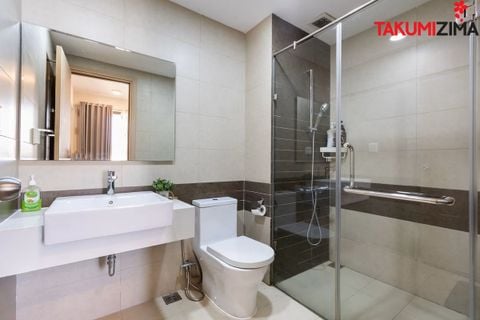
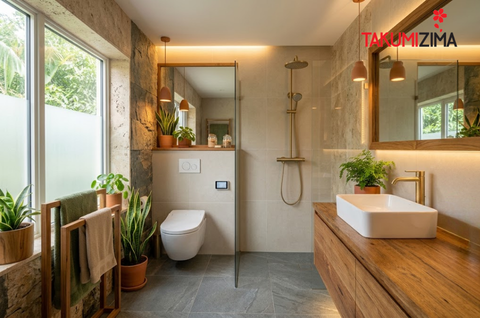
You've just stepped out of the shower, and the mirror is already fogged up. The floor is still wet, and the towel you hung up this morning hasn't dried yet. When you return a little later to grab something, the air still feels heavy and stuffy.
It's a common problem in bathrooms without windows, especially in apartments and townhouses where space is limited.
Not everyone can add a window or install a new ventilation system. But before considering a renovation, there are a few things you can check and change to make your bathroom feel more comfortable.
1. Is your bathroom stuffy, slow to dry, or showing signs of unusual dampness?
There are several reasons why a bathroom might feel damp or uncomfortable.
If steam lingers long after a shower and the room often feels stuffy, poor ventilation may be part of the problem.
If the floor, towels, and other surfaces that regularly get wet take a long time to dry, the water left behind after use is also worth paying attention to.
Recurring wall stains, bubbling paint, or mold that keeps returning, however, may be signs of a problem that needs a closer look.
Understanding what's happening will help you decide whether to adjust your daily habits, check the ventilation system, or investigate a possible source of unusual dampness.
2. Reduce standing water and damp items after showering
One simple habit that's easy to overlook is removing excess water from areas that tend to stay wet after a shower.
If water collects on glass shower panels or pools in a corner of the floor, try using a squeegee or a suitable cloth to wipe it away.
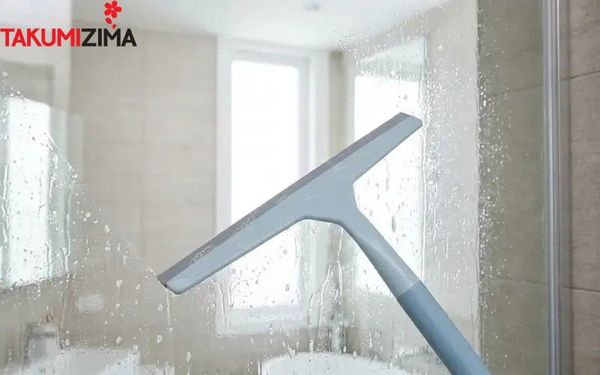
You don't need to dry every single tile. Just focus on the spots that regularly get wet and take the longest to dry.
Avoid leaving towels and clothes you've just changed out of piled up in an enclosed bathroom. Move them somewhere with better drying conditions instead.
Even a neatly hung towel can contribute to lingering moisture if it stays damp for too long.
Don't forget about the floor drain, either. Hair and debris caught in the drain strainer should be removed regularly, following the manufacturer's cleaning instructions, to help keep water flowing freely.
For more tips on keeping this area clean, you can read our article, How to clean your floor drain to keep it sparkling, hygienic, and looking like new.
If water keeps pooling on the floor even when the drain opening isn't blocked, it's worth finding out why.
Wiping up the water may solve the immediate inconvenience, but it won't fix an underlying problem with the floor's slope or drainage system.
3. How can you improve airflow in a bathroom without windows?
Wiping away excess water helps reduce the moisture left on bathroom surfaces. But to remove humid air, the room needs a suitable path for air to circulate.
What you can do next depends on your bathroom's existing ventilation setup.
3.1. If your bathroom already has an exhaust fan
Use the fan according to its instructions, including for an appropriate period after showering.
But just because you can hear the fan running doesn't necessarily mean it's removing moisture effectively.
If the bathroom stays stuffy for a long time, start by checking whether dust or nearby objects are blocking the exhaust vent.
Problems involving the exhaust duct, the supply of replacement air, or the fan's internal operation are best left to a qualified technician.
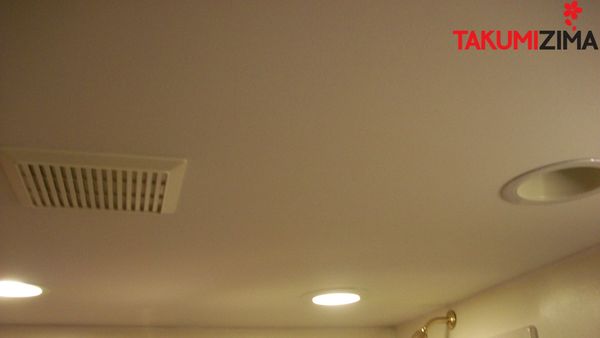
3.2. If your bathroom doesn't have an exhaust fan but renovations are possible
Installing a suitable ventilation system may be worth considering.
The key is to make sure humid air has a proper route to an appropriate exhaust outlet, while also allowing enough replacement air to enter the room and meeting electrical safety requirements.
If you live in an apartment building or a rented home, speak with the building management or your landlord before making any changes.
3.3. If your bathroom has no exhaust fan and renovations aren't possible
This is a situation many people find themselves in.
Rather than rushing to buy a new device, first check whether your bathroom already has a ventilation opening or connects to the building's shared exhaust system.
If you're unsure, ask your landlord or building management.
If there's no exhaust system, take a look at the area outside the bathroom. Is it relatively dry and well ventilated?
When conditions are suitable, leaving the bathroom door slightly open after showering may help air circulate.
However, if the door opens directly into an enclosed bedroom, you could simply be moving moisture from one room to another.
If there's no suitable way for air to circulate, focus on reducing sources of moisture and discuss possible long-term solutions with your landlord.
Small changes to your daily routine may help make the bathroom less damp, but they can't guarantee a complete solution to poor ventilation.
4. The bathroom stays damp or mold keeps returning: when should you investigate further?
A foggy mirror after a hot shower is a normal result of condensation. The floor may also stay damp for a while after you've finished bathing.
What's more concerning is when unusual signs keep appearing or don't seem connected to recent showering.
For example, a patch of wall might remain damp even when the bathroom hasn't been used for some time. Paint may repeatedly peel, or mold may return to the same spot shortly after being cleaned.
If you notice water leaking from a pipe or connection, document what you've found and arrange for it to be checked rather than simply wiping the area dry.
These problems could be related to poor ventilation, condensation, plumbing leaks, or water seeping in from somewhere else.
You can't determine the exact cause just by looking.
If the problem persists, speak with your landlord, building management, or an appropriate qualified technician.
Simply cleaning away the mold or repainting the affected area without addressing the source of moisture may only allow the problem to return.
5. Improve lighting and reduce clutter for a more comfortable bathroom
Bathrooms without windows often have little or no natural light.
When the lighting is too dim, dark corners can make the space feel smaller and more enclosed than it really is.
Pay attention to the lighting around the sink, mirror, and other areas you use regularly.
If you need to replace light fixtures or make changes to the electrical system, choose equipment suitable for the installation location and have the work carried out by a qualified professional.
A little tidying up can also make a difference.
Organize the bottles and personal care products around the sink, put away things you rarely use, and keep walkways clear.
For towels, choose somewhere they can dry properly rather than putting them straight into a closed cabinet while they're still damp.
Better lighting and less clutter can make a bathroom feel more inviting. But to tackle the dampness and stuffy air, you'll still need to address lingering water and poor ventilation.
Conclusion
No one wants to finish a shower only to return later to a bathroom that's still filled with humid air, with a wet floor and towels that haven't dried.
In a windowless bathroom, small changes to your daily habits can help improve the situation.
But when humid air has no suitable way to escape, or unusual signs of dampness begin to appear, finding the underlying cause is still essential.
A comfortable bathroom doesn't necessarily need a window. What matters is how the space is used and whether it has ventilation suited to the actual conditions of your home.
- Showroom Address: BTT10-01 Galaxy 4 - Van Phuc Galaxy Residential Area - 69 To Huu - Ha Dong - Ha Noi - Hotline: 0981867679
- Contact: 086.655.4899 - 081.494.6789
- Email: takumizimavn@gmail.com
- Website: https://takumizima.com/
- Fanpage: https://www.facebook.com/takumizimavietnam.vn